New · Printable download
Monarchs of the Hudson Valley
Sixteen full-page pictures in bold, easy lines, and facing every one a page that tells you what you're looking at: the egg on a milkweed leaf, what a chrysalis really is, why milkweed matters so much, how a flower works, and the 3,000-mile flight from New York to Mexico. Written for ages 6 to 12.
Every copy funds land and water protection in Orange County, New York, and the free habitat guides published by the Hudson Valley Pollinator Project.
- 40-page print-ready PDF
- 16 pictures, each with a fact page
- Ages 6-12, bold easy-to-color lines
- Native plant list for the Hudson Valley
- Print as many copies as you like
Instant: your payment is confirmed with PayPal and the download unlocks immediately.
A look inside
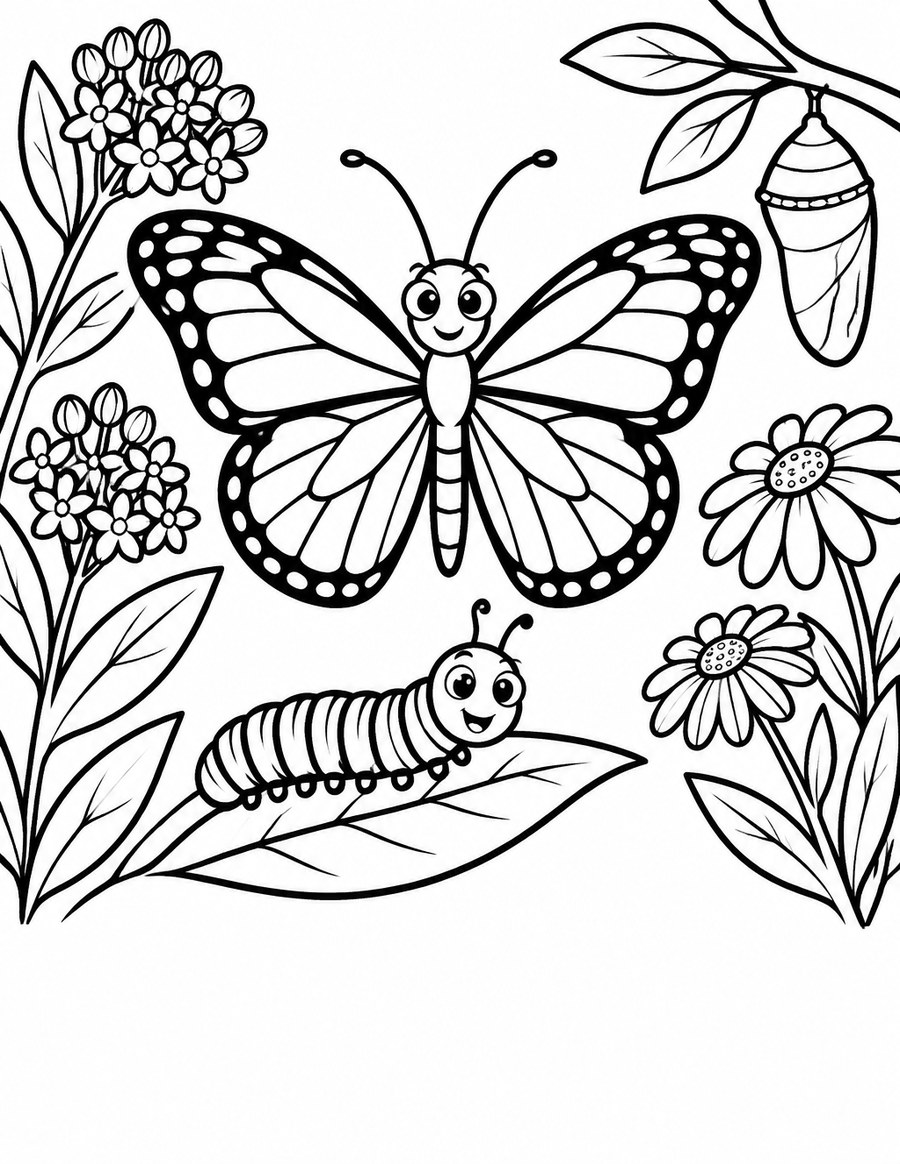
Six of the sixteen pictures. Every one is a real moment in the monarch's year, or a real plant you can grow here.
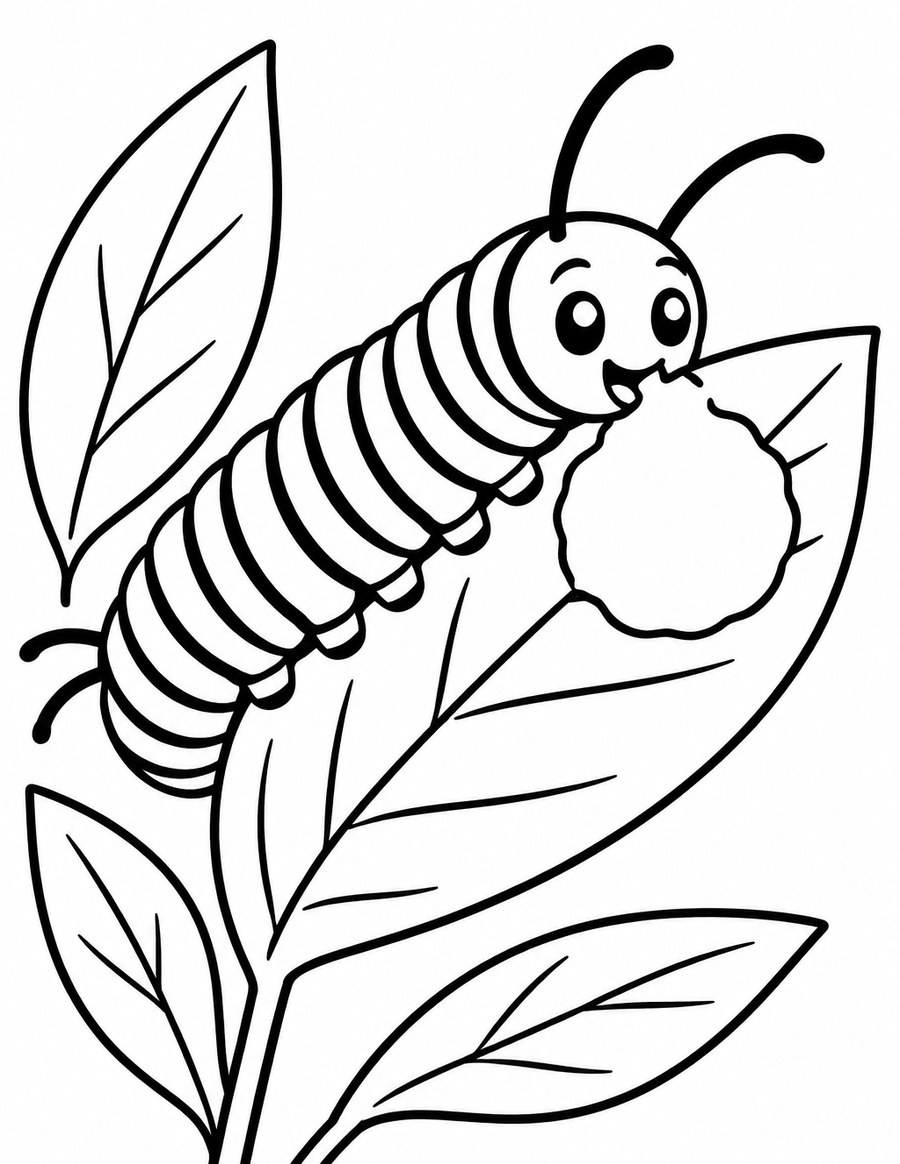
The hungry caterpillar
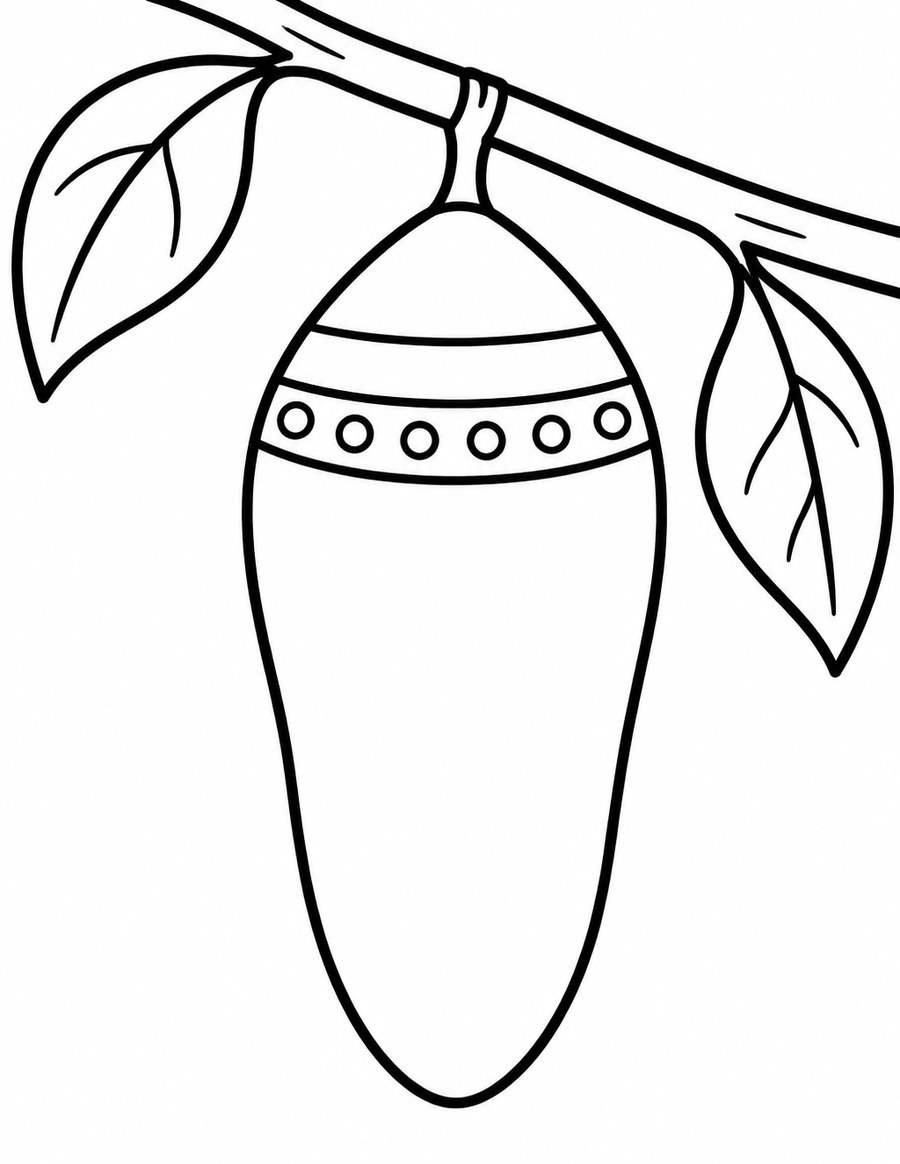
What is a chrysalis?
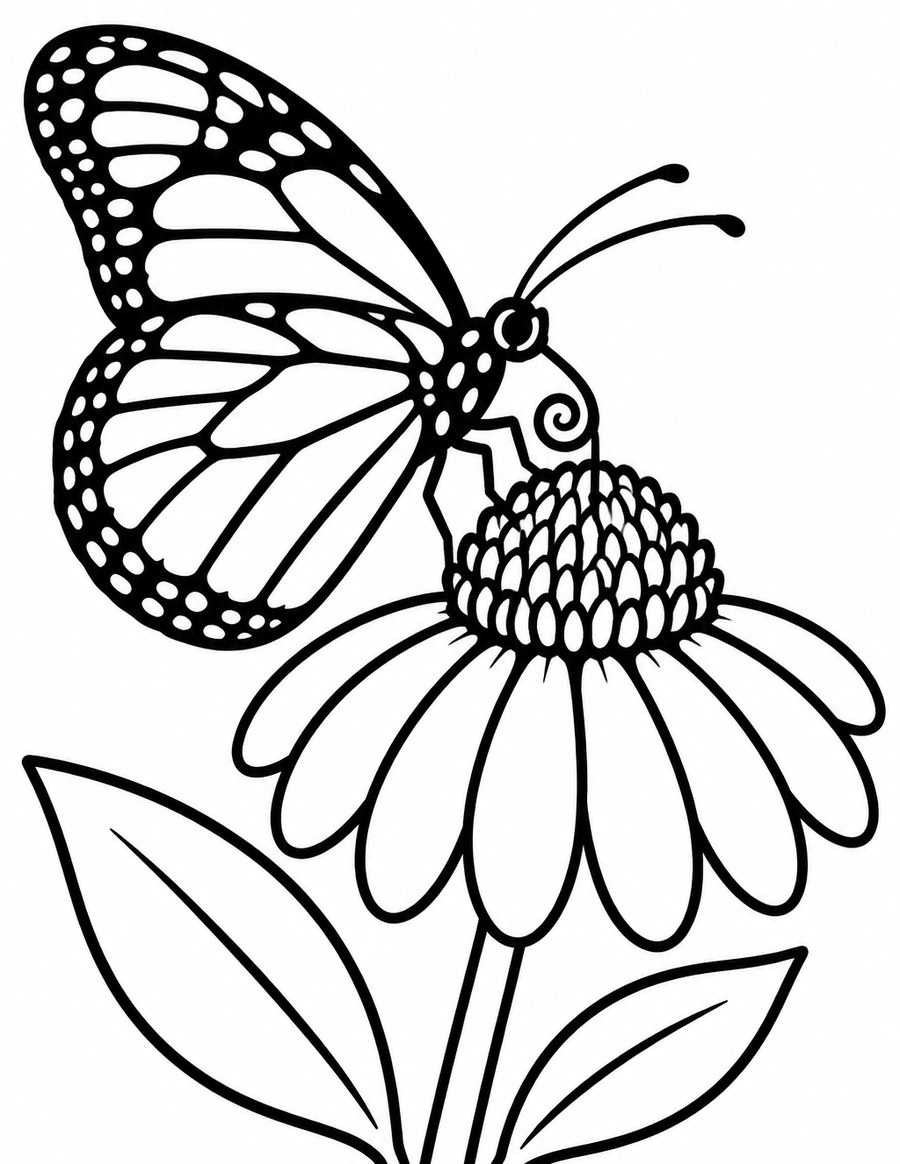
A straw for a mouth
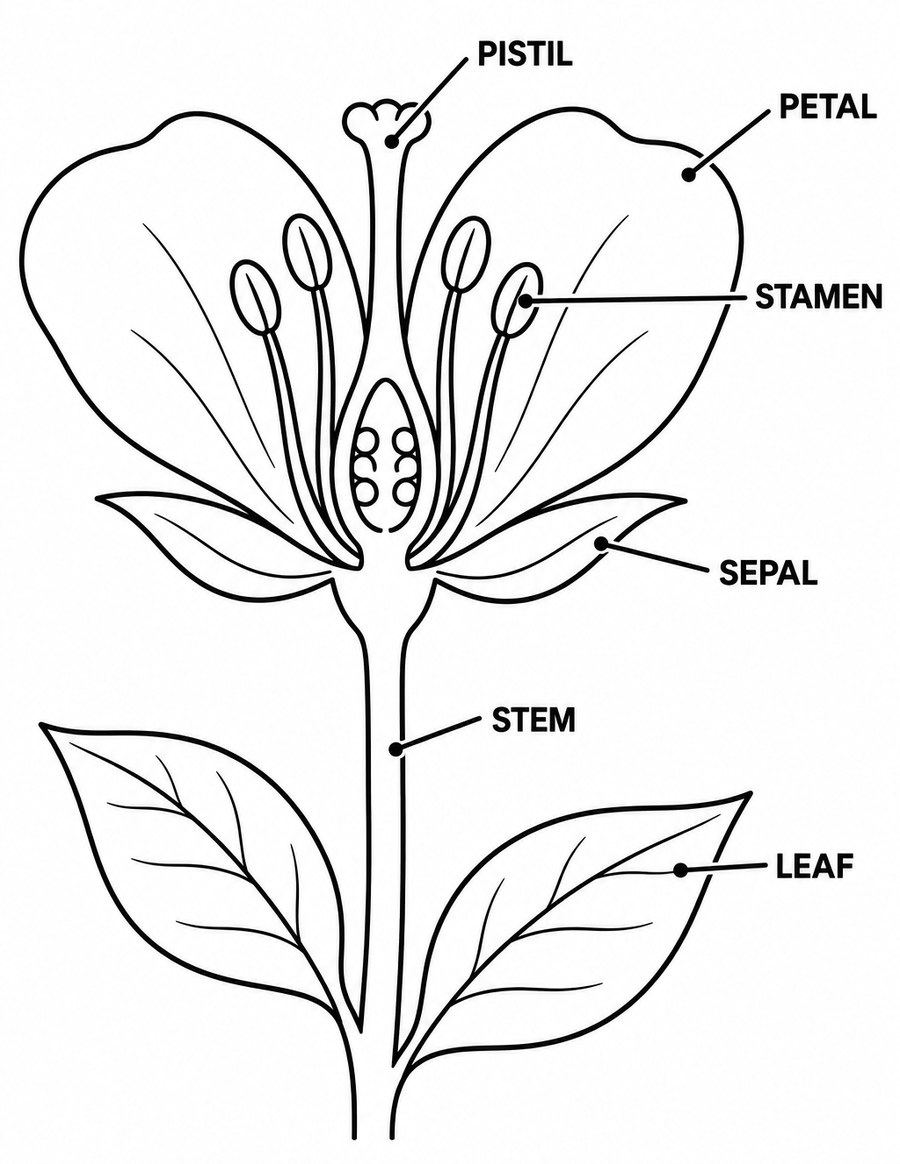
Parts of a flower
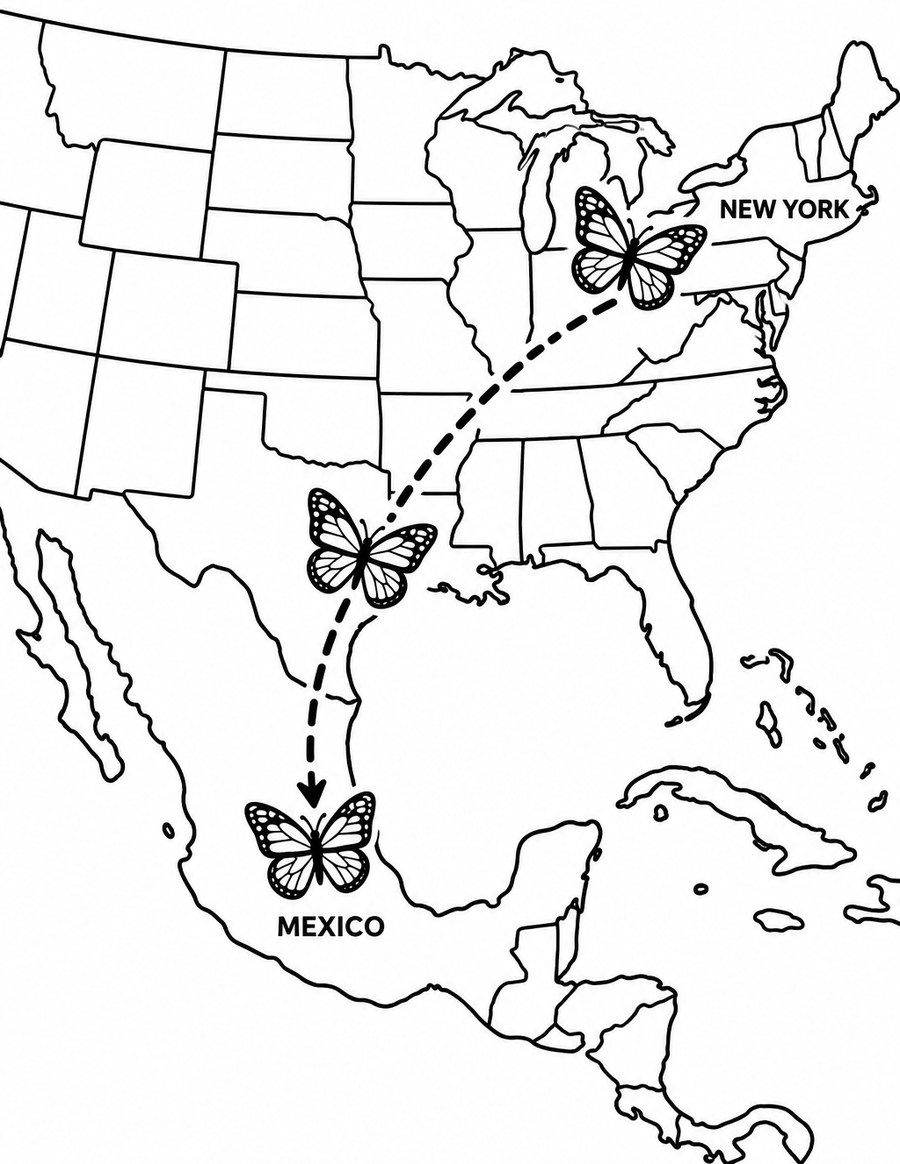
New York to Mexico
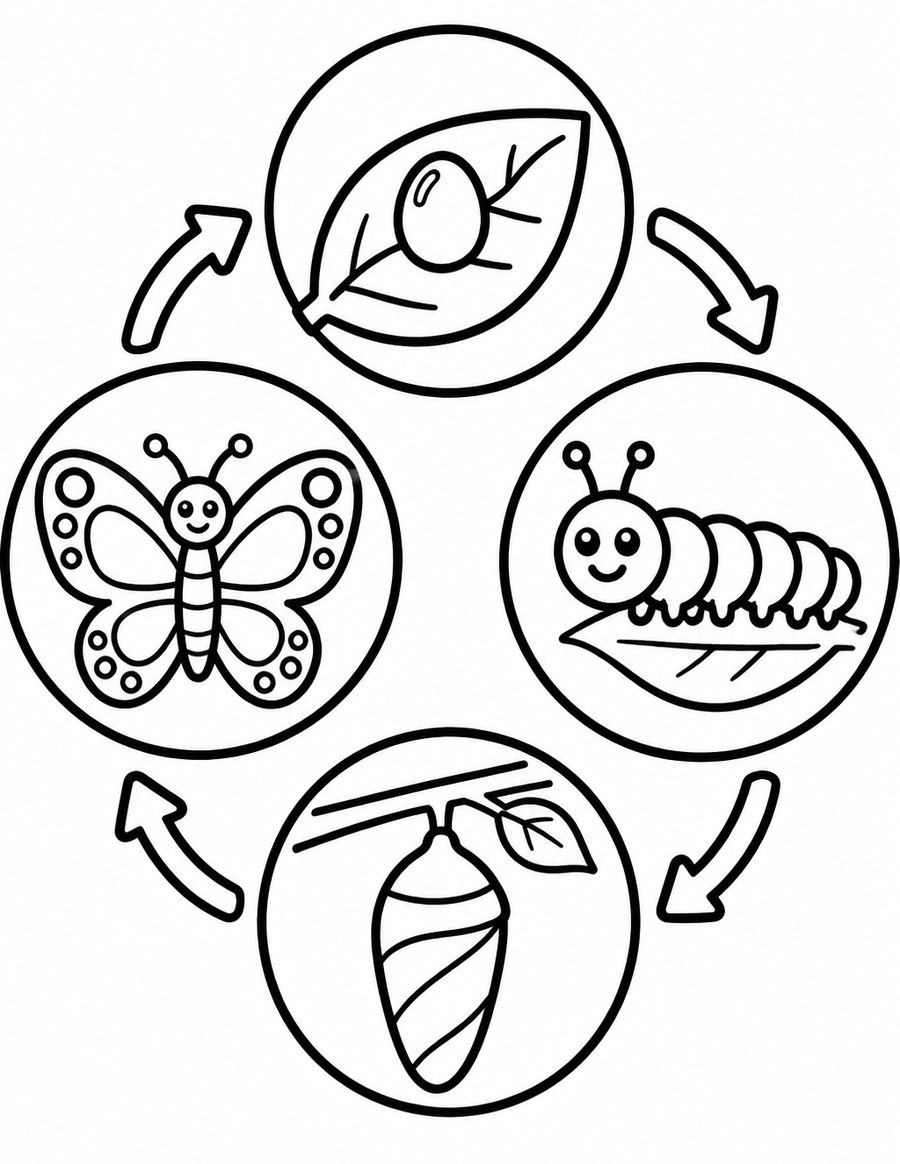
The whole life cycle
Why buy this book
Real local species
Each plate is drawn from a plant that grows in Orange County — so the book doubles as a planting list.
Print it forever
US Letter PDF, single-sided, heavy line work that holds up to pencils, gel pens and markers.
Funds habitat
Proceeds go to Orange Environment and the Hudson Valley Pollinator Project — no middleman, no platform fees.
How the download works
- 1
Pay $15 with PayPal
Opens our PayPal page in a new tab. Keep the receipt — you'll need the transaction ID.
- 2
Claim your copy
Fill out the short form with your name, email and that transaction ID.
- 3
Download the PDF
We confirm the payment and email your private download link, good for 60 days.
Questions
- How do I get the book after I pay?
- Pay through PayPal, then fill out the short claim form with the transaction ID from your PayPal receipt. We check it with PayPal on the spot and your download link appears right away.
- What exactly do I get?
- A 40-page print-ready PDF: 16 full-page coloring pictures in bold, easy lines, each facing a page of facts, plus a ten-plant Hudson Valley planting list, a word list and free local resources. US Letter size, prints beautifully at home.
- What age is this book for?
- Ages 6 to 12. The drawings use thick outlines and big open shapes that crayons and colored pencils handle easily, and the facing pages are written to be read alone or read aloud to a younger child.
- What does it teach?
- The monarch's whole story in order: the egg on a milkweed leaf, the caterpillar, the J-hang, what a chrysalis really is, how the wings dry, why milkweed matters so much, how a flower works with its parts labeled, and the 3,000-mile flight from New York to central Mexico.
- Where does the money go?
- Every dollar supports Orange Environment's work protecting open space, water and pollinator habitat in Orange County, New York, alongside the Hudson Valley Pollinator Project's free habitat guides.
- Can I print more than one copy?
- Yes — print as many copies as you like for your own household, classroom or library program. It's licensed for personal and educational use, not for resale.
- Are the plants real Hudson Valley species?
- Yes. The planting list names ten species that grow here: common, swamp and butterfly milkweed, purple coneflower, anise hyssop, blazing star, joe-pye weed, goldenrod, New England aster and wild bergamot.