Florida is planting 15,000 milkweeds along its highways — the Hudson Valley should do the same
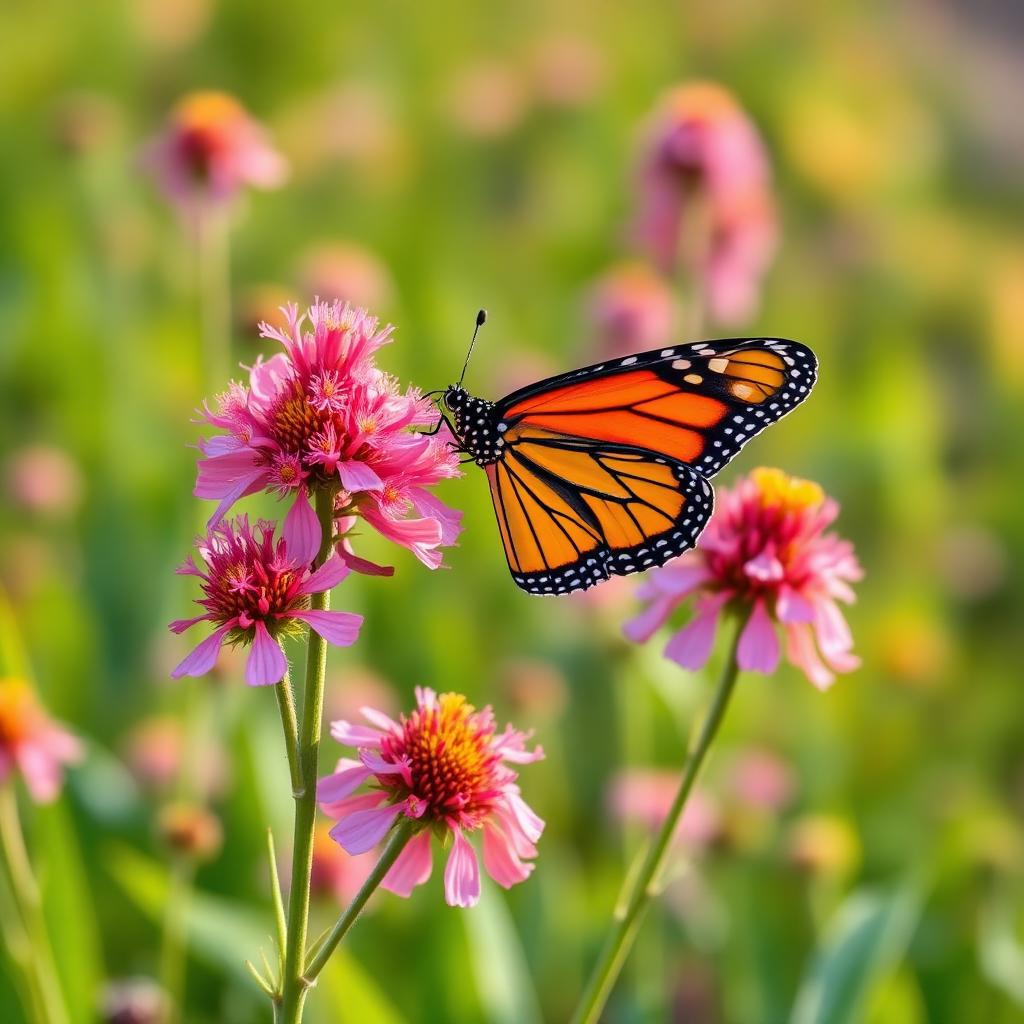
A new report from the Florida Museum of Natural History and phys.org describes something Orange Environment has been arguing for locally for years: the strips of grass alongside our highways, power lines, and rail corridors are one of the largest under-used conservation resources in any state. Florida just committed to treat them that way.
What Florida is doing. According to Jerald Pinson of the Florida Museum, University of Florida entomologists led by Jaret Daniels — curator of Lepidoptera at the museum — are working with the Florida Department of Transportation to plant 15,000 native milkweeds along rural North Florida highways, with the goal of establishing durable pollinator corridors for monarch butterflies. FDOT signed on to a federal 'candidate conservation agreement with assurances' for the monarch in 2024, committing to manage 10,200 acres of roadside right-of-way for pollinator habitat. FDOT awarded the Daniels lab a $150,000 grant in 2023 to select, grow, plant, and monitor 9,000 milkweeds along Florida roads over three years; the grant was recently extended through 2029, adding 6,000 more plants.
Why roadsides. Daniels' framing is blunt and worth quoting: 'We don't have enough conservation lands to maintain pollinator populations through time in many areas, so we have to look to environments that we, as humans, manage every day. Roadsides are managed regardless, so why not do so in a way that confers greater benefits?' Rights-of-way are already mowed, sprayed, and maintained. Redirecting even a portion of that maintenance toward native plantings is nearly free habitat.
Why milkweed specifically. Monarch caterpillars can only eat milkweed — they have evolved to sequester the plant's toxic glycosides in their own tissues as a defense against predators, and they have lost the ability to eat anything else. Adult monarchs are wanderers that can travel more than 100 miles in a single day, so long-distance survival depends on nectar 'pit stops' spaced across the landscape. A ribbon of roadside milkweed is exactly the kind of connective tissue a monarch population needs to persist. The Florida team is focusing on two natives — pinewoods milkweed (Asclepias humistrata) and butterfly weed (Asclepias tuberosa) — because both tolerate the dry, poor, unsheltered soils typical of highway shoulders.
What Orange County has to work with. New York State DOT, the Thruway Authority, Orange and Rockland Utilities, CSX and Metro-North rights-of-way, and the county's own road system together control thousands of acres of grassy shoulder, median, and utility easement inside Orange County alone. Almost none of it is currently managed for pollinators. Most of it is mowed on a schedule that peaks in exactly the wrong months for monarch reproduction. The Hudson Valley sits directly on the monarch's Atlantic migration route, and every native milkweed we can add between the Shawangunks and the estuary shortens the distance between one nectar refuel and the next.
The Hudson Valley version of this idea. Orange Environment and our partners at the Hudson Valley Pollinator Project have been building this corridor from the yard end — helping homeowners convert lawn to native meadow, promoting the Pollinator Pathway in Cornwall and neighboring towns, and stocking the pollinator action guide with the specific plant lists and site-prep instructions residents need. Bringing the same practice to public rights-of-way would multiply that yard-scale work by an order of magnitude. Concretely, that means:
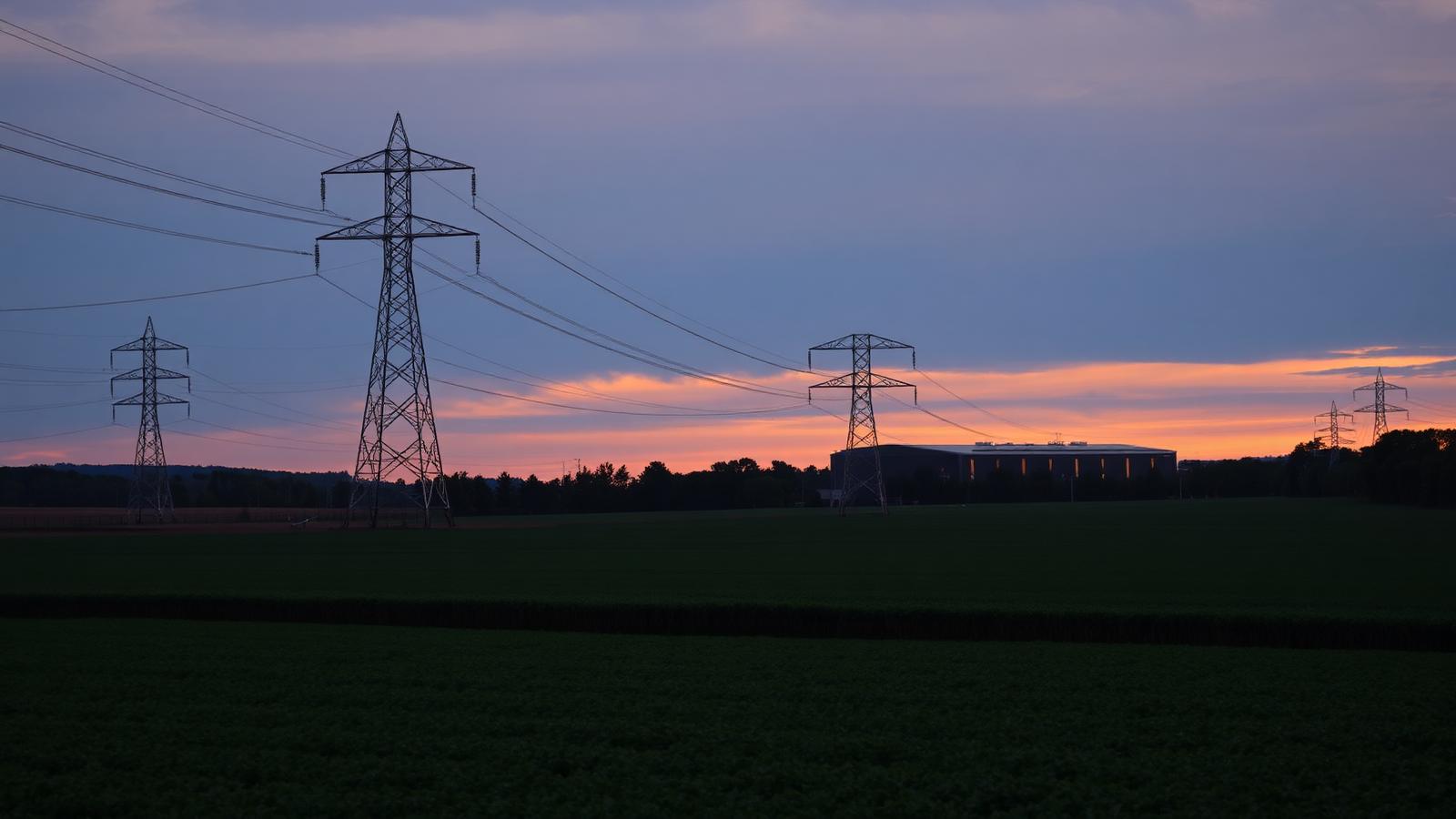
- Adopt a mow-late, mow-less standard on state and county roadsides so milkweed and goldenrod can bloom and set seed before cutting; - Substitute regionally native milkweeds — common milkweed (Asclepias syriaca), swamp milkweed (Asclepias incarnata), and butterfly weed (Asclepias tuberosa) — in DOT and utility revegetation contracts; - Coordinate with Orange & Rockland Utilities and the New York Power Authority to convert selected transmission corridors into managed pollinator meadow, following models already in use in Vermont and Massachusetts; - Fund a Hudson Valley analogue to the Daniels lab's monitoring work — a two- or three-year study identifying which native milkweeds establish best on Route 17, Route 32, I-84, and the Thruway shoulder soils, so future plantings are based on regional evidence, not guesswork.
Why this is a smart-growth issue, not just a pollinator issue. Every acre of highway shoulder that supports pollinators is an acre that also filters stormwater, sequesters carbon, cools pavement, and reduces roadside mowing costs. It is also an acre that is not paved for another warehouse or data-center access road. Roadside habitat is smart growth in its purest form — using land the region has already committed to a fixed purpose more intelligently, instead of consuming new ground.
What you can do this week. Ask your town highway superintendent whether the town has a mowing policy that recognizes pollinator habitat, and if not, ask them to draft one. Contact NYSDOT Region 8 and ask whether Orange County will be part of any future pollinator right-of-way pilot. Plant one square yard of common or swamp milkweed in your own yard this season — the corridor is built one patch at a time, and residential plantings connect to the roadside plantings we are asking the state to install.
Source. Jerald Pinson, Florida Museum of Natural History, 'Butterfly experts are planting 15,000 milkweed plants along Florida roadsides to help monarchs,' phys.org, July 18, 2026: https://phys.org/news/2026-07-butterfly-experts-milkweed-florida-roadsides.html. Republished by Mainstreet Daily News (Gainesville) on July 20, 2026. Quotations from Jaret Daniels appear in the original Florida Museum article by Pinson.
Related Orange Environment resources: our Pollinator Action Guide compiles the regional plant lists, PDFs, and landscaper directory you need to build habitat at home; our native plants field guide identifies keystone Hudson Valley species; and our biodiversity guide explains why a continuous corridor from the Shawangunks to the estuary is worth the effort. Membership at $25 a year funds the local advocacy that turns ideas like Florida's into policy here.