Warehouses and data centers are reshaping Orange County — and our land-use rules haven't caught up
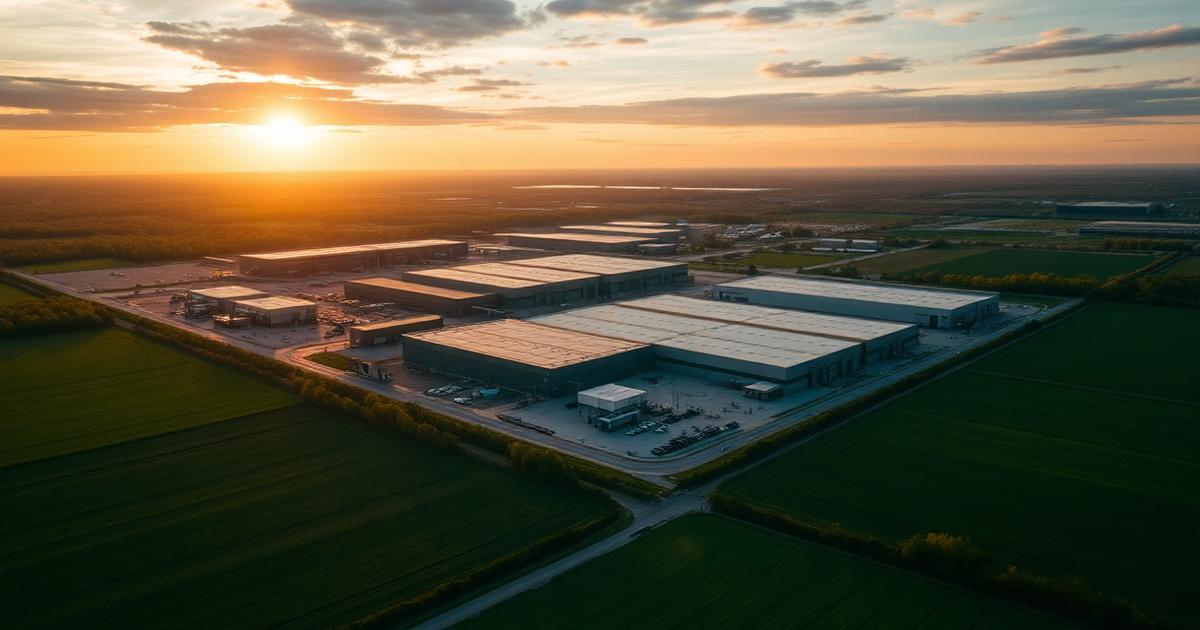
Drive Route 17K, Route 211, or almost any interchange along the Thruway and you can see the pattern: million-square-foot warehouses stitched together with truck courts, followed by the first wave of hyperscale data-center proposals. Each one arrives as an isolated site-plan application, evaluated as if it were the only such project in the region.
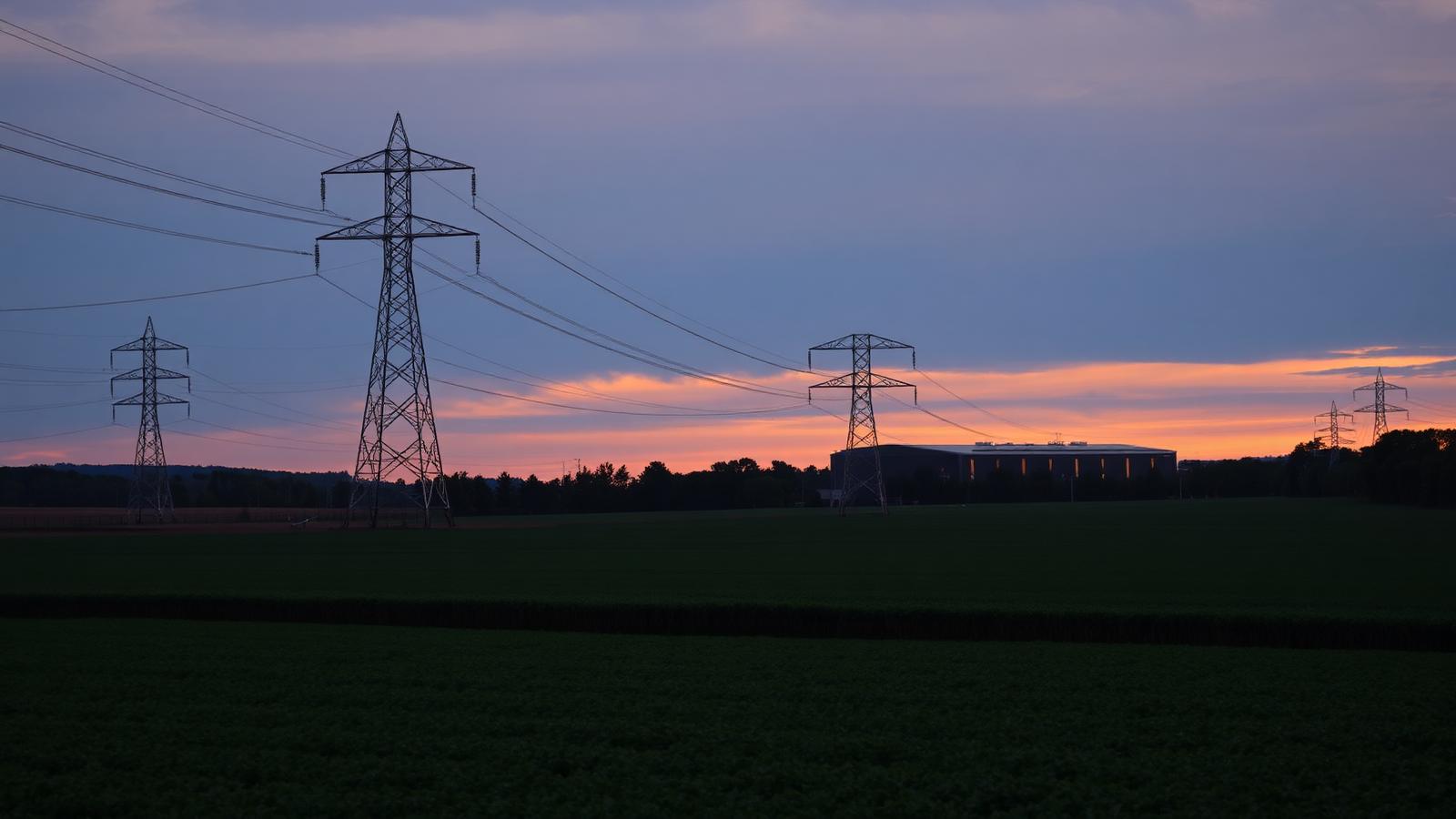
It isn't. Orange County is now one of the fastest-growing warehouse and data-center markets in the Northeast, and the cumulative footprint on our farmland, forests, aquifers, and rural road network is compounding faster than any of our zoning codes were designed to track.
Orange Environment is asking local boards — town, village, and county — to update land-use rules on four fronts before the next round of approvals:
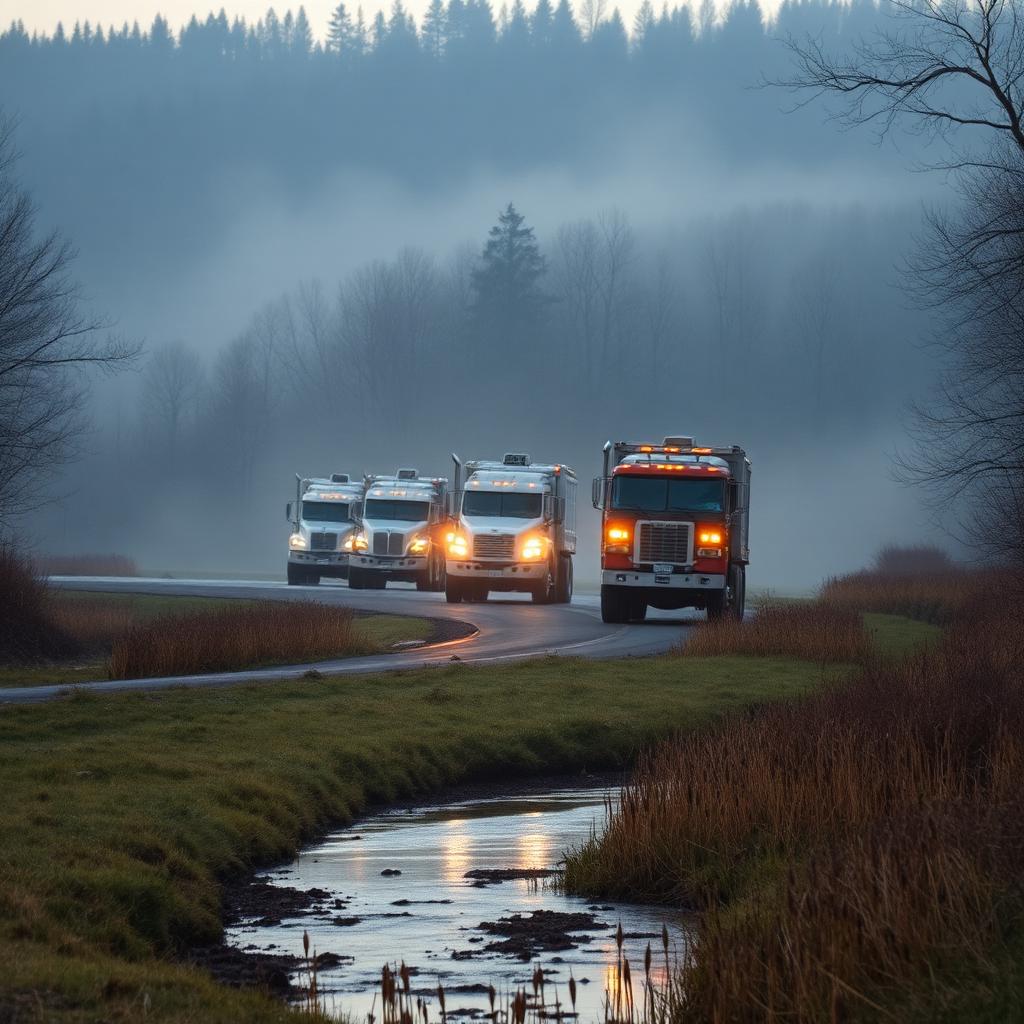
1. Cumulative impact review. Traffic, air quality, noise, groundwater drawdown, and stormwater should be studied at the corridor and watershed scale, not one parcel at a time. A single 24/7 truck court may fit under the noise ordinance; ten of them within two miles do not.
2. Real setbacks, screening, and lighting standards. Modern hyperscale sites operate around the clock. Neighbors deserve enforceable buffers from truck idling, cooling equipment, backup diesel generators, and light spill — not the token vegetative strips that current codes permit.
3. Fiscal and infrastructure honesty. Warehouse and data-center projects come with real municipal costs: road wear from heavy trucks, emergency services, water capacity, and grid upgrades. Host-community agreements should reflect those costs, and PILOTs should be disclosed alongside the traffic study, not negotiated in a separate room.
4. Farmland and forest protection. Prime soils and interior forest, once paved, don't come back. Orange County's remaining agricultural districts and connected forest blocks deserve stronger protection in the zoning map, not weaker.
We are not anti-growth. We are anti-lock-in. Every one of these projects is a 30-to-50-year commitment for the surrounding community, and our current review process is not sized to that horizon.
If you sit on a planning board, zoning board, or town council anywhere in the county, we'd like to hear from you — and we'd like your board to see the technical materials OE has assembled on cumulative impact analysis, model setback ordinances, and host-community agreement templates.