Riparian buffers on the Quassaick: the cheapest water-quality tool we have
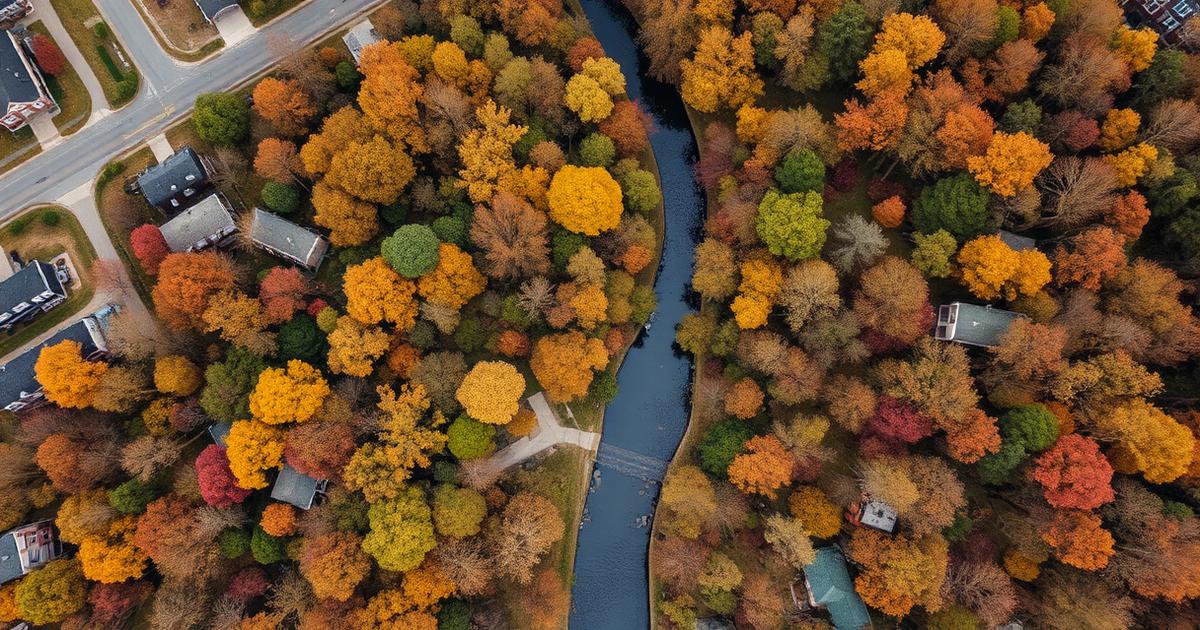
There is no cheaper, more durable water-quality investment than an intact riparian buffer. A well-vegetated 50-to-100-foot strip along a stream traps sediment before it enters the water, absorbs nutrients from adjacent runoff, shades the channel to keep it cool for aquatic life, and holds the bank together during high-flow events. It also happens to be the single most vulnerable piece of the landscape once a parcel is put up for development.
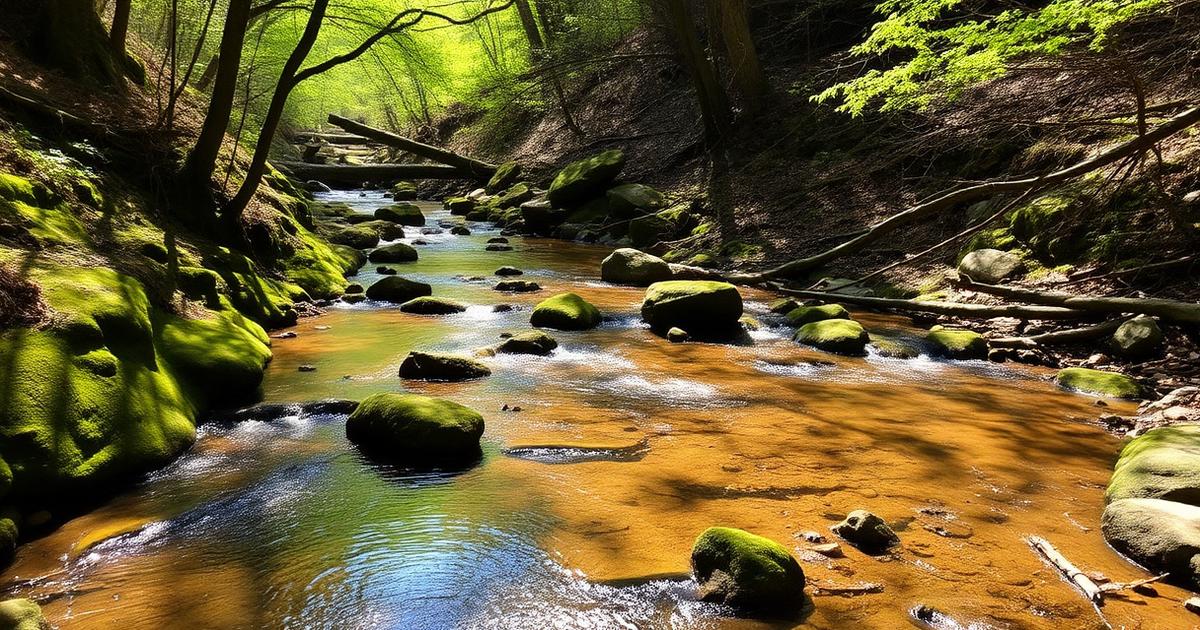
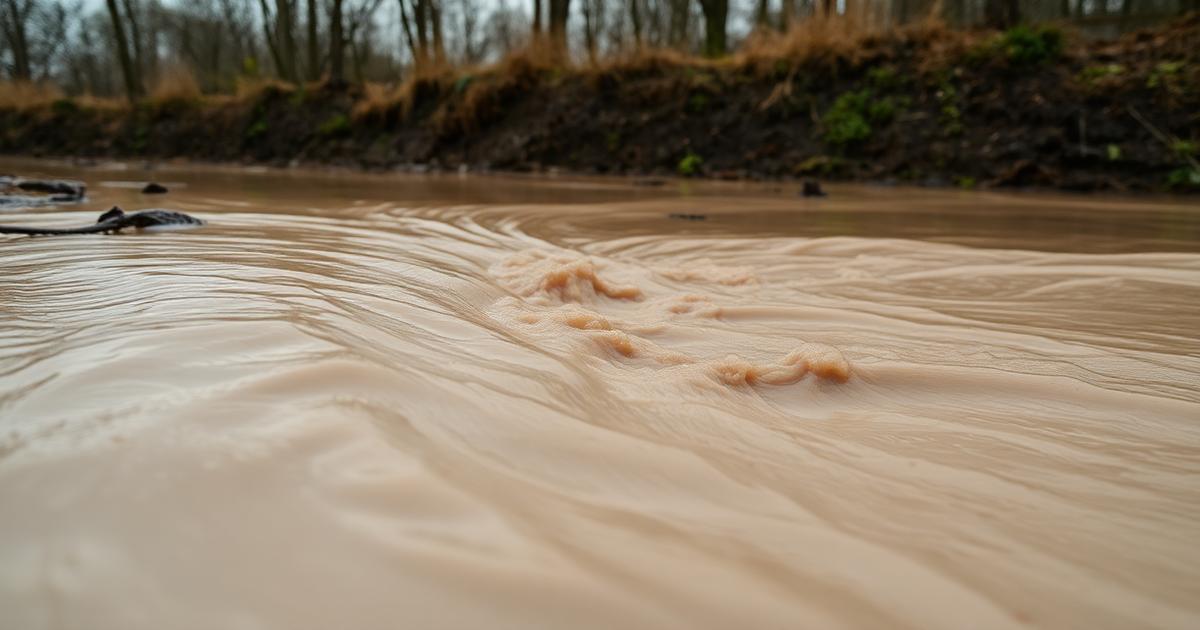
Along the Quassaick and its tributaries, buffer conditions vary widely. Some reaches — especially where the creek runs through parkland or under mature woodland — still function well. Others, particularly downstream of newer commercial and warehouse development, have been mowed, filled, or armored to within a few feet of the bank. Once that transition happens, restoration is possible but expensive, and the water-quality losses compound in the meantime.
What OE is asking towns to adopt:
• A clear buffer width — 50 feet minimum, 100 feet on perennial reaches and on parcels adjacent to identified restoration priorities. • A no-disturb standard within the buffer: no clearing, no fill, no impervious surfaces, no mowed lawn. • Explicit protection during construction, with enforceable penalties for buffer encroachment beyond what any silt fence provides. • Restoration requirements when previously disturbed reaches are redeveloped — the redevelopment moment is often the only leverage a town has to recover buffer that was lost decades ago.
Model ordinance language for each of these exists — Riverkeeper, DEC, and neighboring counties have already done most of the drafting work. OE is packaging it for Newburgh, New Windsor, and the surrounding municipalities, and offering to present at planning-board work sessions on request.
A few dozen feet of trees on either side of a small stream sounds like a small ask. On the Quassaick, it may be the single most important land-use decision the next decade of local government will make.