After the storm: what a single Quassaick rain event tells us about our stormwater program
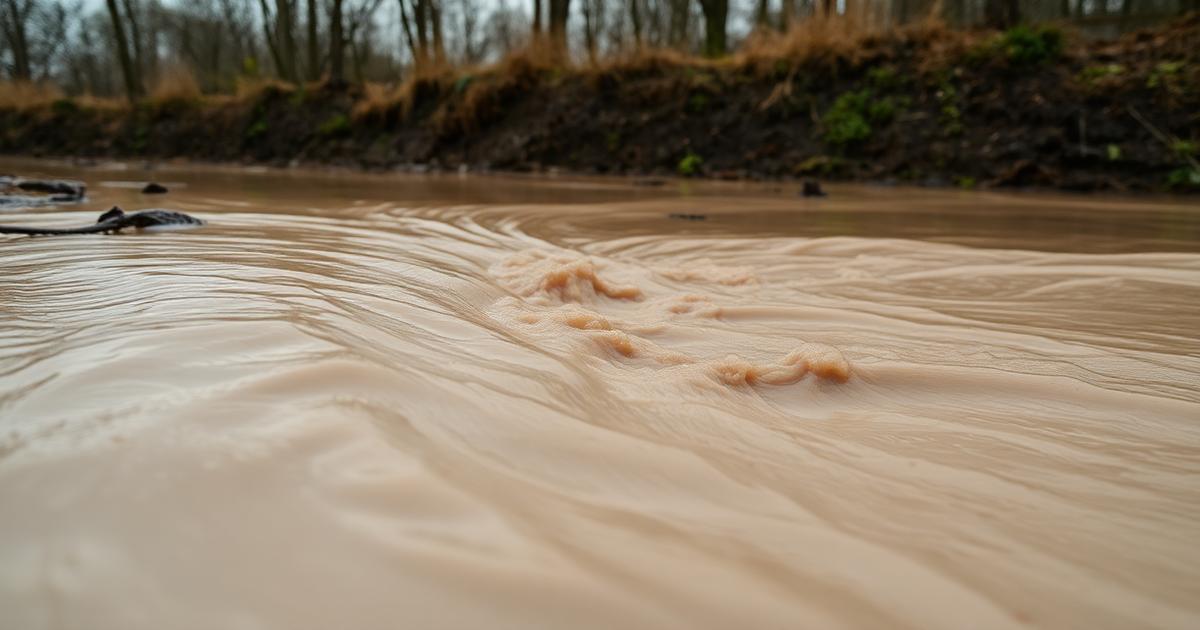
On the afternoon of June 14, a fast-moving storm dropped roughly 1.6 inches of rain across the mid-Hudson in under 90 minutes. It was not an unusual event — high-intensity summer cells like this are exactly the kind of storm the region is now getting more of — but it produced a clear, well-documented pulse of sediment into the Quassaick Creek.
Within 24 hours, OE volunteer stewards had photo-documented visible turbidity or active sediment plumes at four separate points along the mainstem and two of its tributaries. Two of the source areas were active construction sites; two more appear to be legacy sediment mobilizing off previously graded but still-unstabilized parcels; the final source was a stormwater outfall discharging visibly discolored water more than 12 hours after rainfall had ended.
A single event is not a monitoring program. But it does illustrate several structural weaknesses in how our stormwater rules are currently working on the ground:
Sediment controls are treated as installation events rather than operating systems. A silt fence installed at day one of construction and never re-inspected does not perform the function it was permitted for. Municipal SWPPP inspection frequency and enforcement — not the paper design — is what actually protects the creek.
Post-construction stabilization is under-enforced. Parcels that are cleared, graded, and then left inactive between phases are a chronic sediment source. Interim stabilization requirements exist; they are inconsistently applied.
Dry-weather and delayed-flow discharges deserve a response. A stormwater outfall running dirty 12+ hours after rainfall ends is a signal — either of illicit discharge, of a leaking connection, or of unstabilized upstream soil. Every one of them is worth investigating.
OE is compiling the June 14 event into a short public brief and sharing it with the relevant municipal engineers and DEC Region 3. If you are in the watershed and want to help build the next event report — the storm season is not over — we would welcome the extra eyes and cameras.