Fall is the best time to plant a pollinator garden in the Hudson Valley
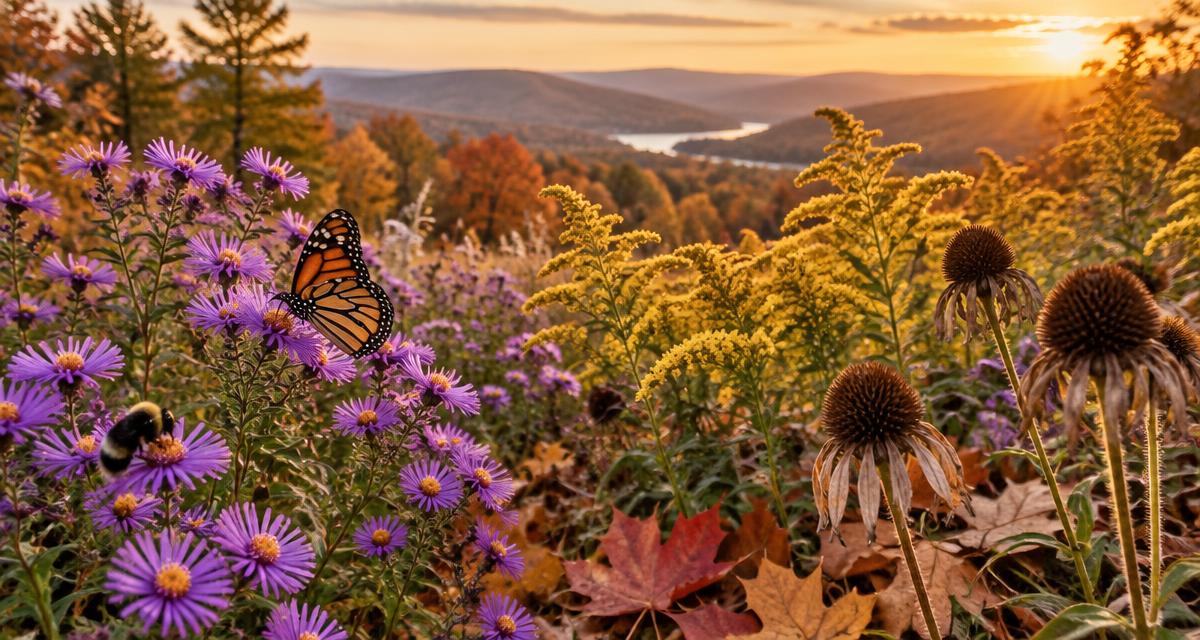
Spring gets all the attention at the garden center, but for native perennials in the Hudson Valley, fall is the better bet. The Hudson Valley Pollinator Project puts the window at early September through mid-October, and the reasoning is simple: a plant set out now gets a full fall, winter, and spring to build roots before it ever faces a hot, dry July. That means less watering, fewer losses, and a bed that comes back stronger in its second year. The same principle holds for meadow seeding, where fall sowing gives natives a head start on spring weeds. See the sourcing guidance at https://www.pollinatehv.org/source
Step 1: Read the site before you buy anything. Spend ten minutes watching the spot across a day. How many hours of direct sun does it get? Does water sit there after a storm, or does it drain within an hour? Is there a hose nearby for that first establishment season? Sketch it, note the dry corners and the wet ones, and pick plants for the conditions you actually have instead of the conditions you wish you had.
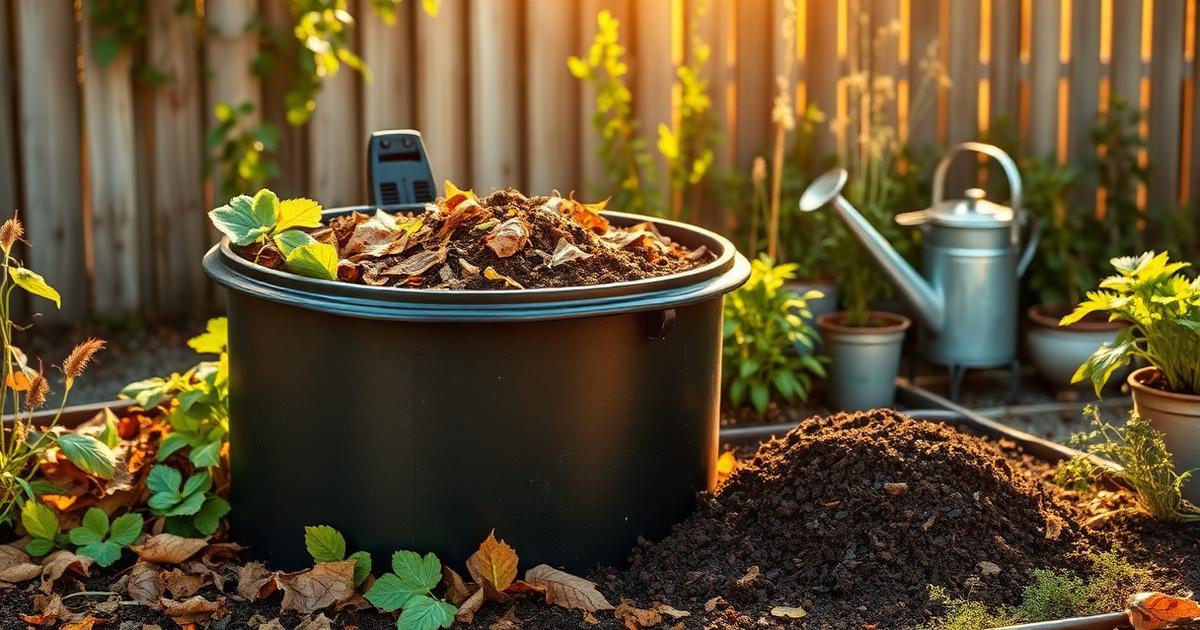
Step 2: Clear without tilling if you can. For lawn conversion, sheet-mulching — cardboard over the grass, four to six inches of leaf mulch or compost on top — smothers turf over the winter without pulverizing the soil structure or waking up the weed seed bank. If you want to plant this season, cut plugs straight through the cardboard. Skip landscape fabric entirely; it blocks the bare, undisturbed ground that most of our native bees nest in.
Step 3: Buy plugs, buy straight species. Small plants and plugs are cheaper, easier to install, and usually establish faster than gallon pots. More importantly, buy the straight species, not a cultivar. A double-bloom coneflower has traded its pollen-bearing stamens for extra petals — it looks like a pollinator plant and feeds almost nothing. Details and a full explanation are at https://www.pollinatehv.org/why-native-plants
Step 4: Plant for three seasons, with late bloom weighted heaviest. Fall is when migrating monarchs and queen bumble bees are loading up for the road and for hibernation, so the late-season nectar matters disproportionately. In Orange County, a reliable backbone is New England aster (*Symphyotrichum novae-angliae*), blue-stem and other goldenrods (*Solidago* spp.), swamp and whorled milkweed (*Asclepias incarnata*, *A. verticillata*), anise hyssop (*Agastache foeniculum*), purple coneflower (*Echinacea purpurea*), blazing star (*Liatris spicata*), and penstemon. Plant in drifts of three to five of the same species rather than one of everything — pollinators forage far more efficiently on a block of the same flower. Our full field guide with photos, bloom times, and moisture needs is at /native-plants
Step 5: Water hard now, then stop. Soak each plant in at the time of planting, then water deeply once a week through the first hard frost unless rain does it for you. Mulch with shredded leaves, not bark nuggets, and keep the mulch off the crowns. After the ground freezes, you're done — fall-planted natives don't need winter care.
Step 6: Leave the leaves and leave the stems. This is the part most people get backwards. Fallen leaves a couple of inches deep are overwintering habitat: woolly bear and fritillary caterpillars shelter in them, luna moths and swallowtails disguise their cocoons as dried leaves, and red-banded hairstreaks lay eggs directly on fallen oak leaves. Hollow and pithy stems are nest cavities for small carpenter bees and other stem-nesters, and queen bumble bees overwinter in loose soil and brush piles. Rake leaves off the lawn and onto the beds if you must tidy, but don't bag them and don't cut the perennials down — leave the stems standing over winter and cut them knee-high once spring has warmed. The Xerces Society's guidance is at https://xerces.org/leave-the-leaves and their nesting-habitat overview is at https://xerces.org/bring-back-the-pollinators/provide-nest-sites
Step 7: Skip the chemicals, and mean it. Neonicotinoid-treated nursery stock can carry systemic insecticide into the nectar and pollen of the very plant you bought to feed bees. Ask the nursery directly whether their perennials are neonic-free, and buy from growers who can answer. No insecticides, no 'weed and feed,' no mosquito spraying of a yard you're trying to turn into habitat.
Step 8: Connect to your neighbors. A single garden is a rest stop. A row of them is a corridor. Because 86% of the land east of the Mississippi is privately owned, the Hudson Valley Pollinator Project's whole strategy rests on stitching private yards into a contiguous pollinator pathway. Talk to the people on either side of you, and hand them this list.
Verified resources.
PollinateHV — Source Your Plants & Seeds (planting seasons, plug sizing, straight-species guidance): https://www.pollinatehv.org/source
PollinateHV — Why Native Plants (specialist bees, plant-pollinator matching): https://www.pollinatehv.org/why-native-plants
PollinateHV — Ready-made garden designs, free to download: https://www.pollinatehv.org/garden-designs
PollinateHV — Full resource library: https://www.pollinatehv.org/resources
Hudson Valley Pollinator Project — the regional plant list and biodiversity guide: https://hvpollinators.org/
Xerces Society — Leave the Leaves: Winter Habitat Protection: https://xerces.org/leave-the-leaves
Xerces Society — Provide Nest Sites: https://xerces.org/bring-back-the-pollinators/provide-nest-sites
Cornell Cooperative Extension Orange County — gardening resources, including pollinators, native plants, soil, and invasive species: https://cceorangecounty.org/gardening/gardening-resources
National Wildlife Federation Native Plant Finder — host plants by ZIP code: https://www.nwf.org/NativePlantFinder/
Audubon Native Plants Database — bird-supporting natives by ZIP code: https://www.audubon.org/native-plants
Orange Environment — our own Hudson Valley native plant field guide: /native-plants
If you plant one bed this fall, make it asters and goldenrod. Then come find us — the pollinator corridor only works if enough of us build it at the same time.
Terra Meierdierck, Treasurer, Orange Environment, Inc.